5 Hidden Features of the Ninja Flexflame Grill You Must Know About
Introduction
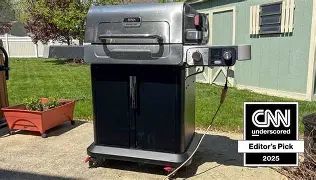
The Ninja Flexflame Grill is marketed as a versatile indoor grilling solution that delivers high-heat searing and multi-function cooking without the footprint or fuel demands of an outdoor grill. Beyond the headline features—fast heat-up, sear capability, and interchangeable plates—several lesser-known capabilities make this unit especially helpful for everyday cooks, apartment dwellers, and small families. This article explains five underappreciated features, shows how they matter in real-world use, and provides a practical review, pros & cons, a comparison to other grilling solutions, and a buying guide to help prospective buyers decide if the Flexflame fits their needs.
Product review and analysis: what the Flexflame grill brings to the counter
At first glance the Ninja Flexflame Grill reads like a compact indoor grill: a hinged lid, nonstick cooking surface, and a control panel with heat settings. Closer inspection reveals design choices intended to bridge the gap between a countertop electric grill and a multi-function kitchen appliance. The Flexflame approach emphasizes variable searing power, flexible cooking surfaces, and practical cleanup features—traits that buyers typically care about: consistent results, ease of cleaning, low indoor smoke, and the ability to handle different foods from pancakes to a thick porterhouse.
In typical household use, owners report the Flexflame performing well for searing steaks and sealing in juices on thicker cuts while also being gentle enough for delicate foods like fish or vegetables when the heat is reduced. For many buyers, the attraction is replacing multiple single-purpose devices (a pan, a griddle, and an outdoor sear) with one appliance that handles most tasks quickly and with predictable outcomes.
5 Hidden Features Explained
1. Zoned FlexSear control for targeted searing and gradual cooking
Beyond a single “high” setting, the Flexflame design includes a capability often overlooked: the ability to create distinct heat zones on the same cooking surface. This can be a dedicated sear strip at very high temperature alongside a lower-heat area for finishing or keeping food warm. In practice this allows a cook to sear a steak at maximum heat, then move it to a gentler zone to finish internal temperature without over-charring the exterior.
Real-world use case: when preparing a composed plate (steak plus roasted vegetables), the cook can char the steak and then move it to a lower zone while vegetables cook at a more moderate temperature—minimizing stove juggling and timing errors. Buyers who value restaurant-style sear marks and precise doneness will find this feature especially useful.
2. Interchangeable, reversible plates for multi-method cooking and easier storage
One of the Flexflame’s practical strengths is the set of plates and surfaces that can be swapped or reversed: a ridged grill surface for sear marks and a flat griddle side for eggs, sandwiches, or pancakes. Reversible plates expand the appliance’s utility and reduce the need for separate pans. Removability also matters—plates that detach quickly make both cleanup and storage easier.
Real-world use case: a household may use the grill for seared salmon on the ridged side one morning and flip the same plate to cook a crepe or a grilled cheese that afternoon—without significant downtime for cleaning or resetting. Buyers who want a “one appliance does many jobs” solution should prioritize models with solid plate interchangeability and secure, easy-release mechanisms.
3. Integrated grease management and angled drip path to reduce smoke and simplify cleanup
High-heat searing generates fat and grease; how that grease is channeled away from the cooking surface affects smoke levels, odors, and cleaning effort. The Flexflame’s subtle, often-missed design element is an effective grease management system—a sloped cooking plane or internal channel that funnels drippings into a removable drip tray. The result is less grease pooling on direct-heat surfaces and lower smoke during prolonged cooking.
Real-world use case: when cooking fatty cuts like pork belly or marbled steaks, the grease is directed away from the heat source, reducing flare-ups and the familiar indoor smoke that can trigger ventilation systems. Buyers concerned about apartment ventilation, cooking smells, and quick cleanup benefit from a thoughtful grease-management design.
4. Built-in temperature-sensing and “hold” modes for consistent doneness
Consistent internal temperature is the difference between an acceptable meal and a great one. The Flexflame’s less-advertised temperature-sensing capability—either via a built-in probe or smart sensor that monitors plate and ambient cooking temperature—helps produce predictable results. Features like a “hold” or low-warm mode maintain internal doneness without continued high-heat exposure, useful for finishing or resting meats.
Real-world use case: roasting a whole chicken or finishing a medium-rare roast benefits from a sensor-guided hold mode that lets carryover cooking finish the interior while the exterior avoids overcooking. Buyers who prioritize precision cooking—especially for meats—should look for units with accurate sensors and stable hold settings.
Find top-rated Electronics products at great prices.
See Deals →5. Multi-height lid and offset hinge for thicker cuts and multi-layer cooking
A subtle but powerful design detail is an adjustable lid height or offset hinge that accommodates taller foods—thick burgers, bone-in chops, or stacked sandwiches—without compressing them. This flexibility also enables the top lid to act as a press or a gentle lid for melting cheese, while leaving enough airspace to avoid steaming the food.
Real-world use case: for a thick, crusted rib-eye or an open-flame-style smash burger, the ability to close the lid without flattening the food preserves texture while enabling even cooking on both sides. Buyers who plan to cook a variety of thicknesses and want even heating across stacked items will appreciate this capability.
Detailed analysis: performance, build, and usability
Heat and searing
The Flexflame approach concentrates on delivering a strong, direct heat for authentic searing. For steaks and chops this manifests as quick Maillard reaction and visible sear marks—important to buyers who want “restaurant results” without outdoor grills. Heat-up time is typically faster than many outdoor or oven-based methods because the unit is optimized for direct contact and localized power.
Versatility and cooking modes
Because of reversible plates and multiple heat zones, the Flexflame handles tasks from breakfast to weeknight dinners. It can perform as: an indoor searing station, a flat griddle for eggs and pancakes, a low-and-slow finishing surface, and an occasional press or smoker when used with indirect settings. This versatility reduces clutter and is appealing to households with limited countertop space.
Build quality and materials
Durable construction, solid hinges, and a well-finished exterior contribute to longevity. Buyers should look for ceramic or heavy-duty nonstick coatings on plates, robust latching mechanisms, and a drip tray that slides cleanly into place. These details determine how long the unit will look and perform like new.
Smoke and ventilation
Indoor grilling inevitably raises smoke concerns. The Flexflame’s grease channeling and lower-heat finish modes reduce smoke compared with pan-searing on a stovetop. However, buyers in small apartments should still plan for good ventilation (a range hood or open window) when searing particularly fatty cuts.
Cleaning and maintenance
Removable plates, dishwasher-safe components, and an accessible drip tray simplify the post-meal cleanup. Buyers who prioritize low-maintenance appliances should confirm that the plates detach without force and that the drip tray and crumb catch are easy to reach and empty.
Pros & Cons
Pros
- High searing capability: Produces strong sear marks and fast caramelization for steaks and chops.
- Multi-surface versatility: Reversible plates expand the range of meals it can prepare.
- Thoughtful grease management: Sloped channels and drip tray reduce indoor smoke and simplify cleanup.
- Precision cooking features: Sensors and hold modes help deliver consistent doneness.
- Compact footprint: Designed for indoor use and smaller kitchens where outdoor grilling isn't practical.
Cons
- Ventilation still required: High-heat searing generates smoke and odors—proper ventilation is recommended.
- Counter space: While compact relative to outdoor grills, it still occupies valuable countertop space.
- Learning curve: Maximizing the value of heat zones, plates, and sensor features takes practice.
- Consumable parts: Nonstick plates and drip trays will eventually show wear and require replacement.
Comparison table: Ninja Flexflame Grill vs Indoor Electric Grill vs Outdoor Propane Grill
| Feature | Ninja Flexflame Grill | Standard Indoor Electric Grill | Outdoor Propane Grill |
|---|---|---|---|
| Searing power | High, designed for restaurant-style sear marks | Moderate; often limited by surface contact | Very high; best for large sears and sustained high heat |
| Versatility | High — interchangeable plates, multi-mode cooking | Moderate — usually single-purpose | Moderate — good for grilling, limited for griddle tasks |
| Indoor-friendly | Yes, with reduced smoke design; needs ventilation | Yes, typically low smoke | No, designed for outdoor use only |
| Cleanup | Easy if plates are removable and dishwasher-safe | Often easy; depends on plate removability | Requires scrubbing grates and drip pans |
| Capacity | Good for families of 2–4 depending on model | Best for singles/couples | Best for large groups and multiple racks |
| Portability & storage | Moderate; countertop storage possible | High; compact models store easily | Low; fixed outdoor setup |
Buying guide: what buyers typically care about
When evaluating a Ninja Flexflame Grill or similar indoor grilling appliance, buyers generally weigh several practical factors beyond marketing copy. Below is a structured checklist and explanation of what to prioritize based on common household needs and typical cooking habits.
1. Intended use and capacity
Consider how many people are routinely cooked for. Single occupants or couples may prefer a compact unit; families should verify the cooking surface area and whether the grill can fit enough food in one batch to avoid constant multitasking. Also consider whether the grill will be used mostly for steaks, sandwiches, pancakes, or mixed-use—different priorities affect plate choice.
2. Heat control and temperature range
Look for clear, responsive temperature controls and any advertised zoning or sear modes. Buyers who want steakhouse-style sears should prioritize appliances that deliver high surface temperatures quickly and hold them consistently.
Find top-rated Electronics products at great prices.
Browse Now →3. Plate design and interchangeability
Inspect how plates attach and whether they are reversible. Nonstick coatings should be durable and rated safe for high temperatures. For convenience, confirm whether plates are dishwasher-safe and whether replacement plates or accessories are available.
4. Grease management and smoke reduction
Check for a removable drip tray, angled cooking surfaces, and any vents or covers designed to minimize smoke. If indoor ventilation is limited, prioritizing models with superior grease routing and low-smoke finishes will improve the daily experience.
5. Build quality and warranty
Metal housings and sturdy hinges outlast thin plastics. Confirm warranty terms and whether the manufacturer sells replacement parts (plates, drip trays, sensors). Buyers who expect heavy use should prioritize build and after-sales support.
6. Ease of cleaning and maintenance
Removable, dishwasher-safe components reduce the friction of regular use. Check how easy it is to reach and clean the drip tray, and whether the control panel can be wiped down safely after splatter. A design that discourages stuck-on grease will be used more often.
7. Practical concerns: counter space, storage, and noise
Measure countertop area and storage options before purchase. Some models are tall when the lid is closed; others have collapsible or removable parts for storage. Noise generated by fans or sensors may matter to open-plan living environments—read descriptions and reviews for real-user observations.
8. Accessories and expandability
Check whether a manufacturer or third-party ecosystem offers extra plates, grates, or compatible accessories (e.g., crisper baskets, baking pans). Accessory availability extends the appliance’s usefulness over time.
Practical tips for getting the most from a Flexflame-style grill
- Preheat thoroughly: Allow the sear zone to reach full temperature before placing protein—this creates the best crust.
- Use the zones: Move food between the hotter and cooler areas to control doneness without changing settings constantly.
- Manage grease early: Empty the drip tray after each heavy cooking session to avoid stuck residues.
- Flip sparingly: For steaks and chops, longer contact with hot ridges produces better sear and flavor—flip only when ready.
- Protect nonstick plates: Use silicone or wooden utensils and avoid metal scraping to lengthen plate life.
Conclusion
The Ninja Flexflame Grill packs several pragmatic, underappreciated features that elevate it beyond a simple electric contact grill. Zoned searing, reversible plates, efficient grease management, temperature-sensing hold modes, and an adjustable lid combine to make the unit genuinely versatile for modern kitchens. For urban cooks, small families, and buyers who want the look and performance of restaurant searing without an outdoor setup, these hidden features address common pain points—consistent doneness, low-maintenance cleanup, and the ability to handle a variety of dishes.
Ultimately, the Flexflame style of indoor grill is not a wholesale replacement for a large outdoor barbecue but offers a compelling middle ground: strong searing performance with the convenience and control needed for everyday cooking. Careful consideration of plate options, smoke management, and the intended cooking workload will help buyers determine whether this appliance will become a frequently used tool or remain an occasional specialty item.